UX Case Study
This is a conceptual UX project exploring how a pizza delivery experience can be made faster, clearer, and more reliable for users.
The goal was to understand how people order food online, identify the main frustrations they experience during the ordering process, and design a user-friendly solution that improves confidence and usability.
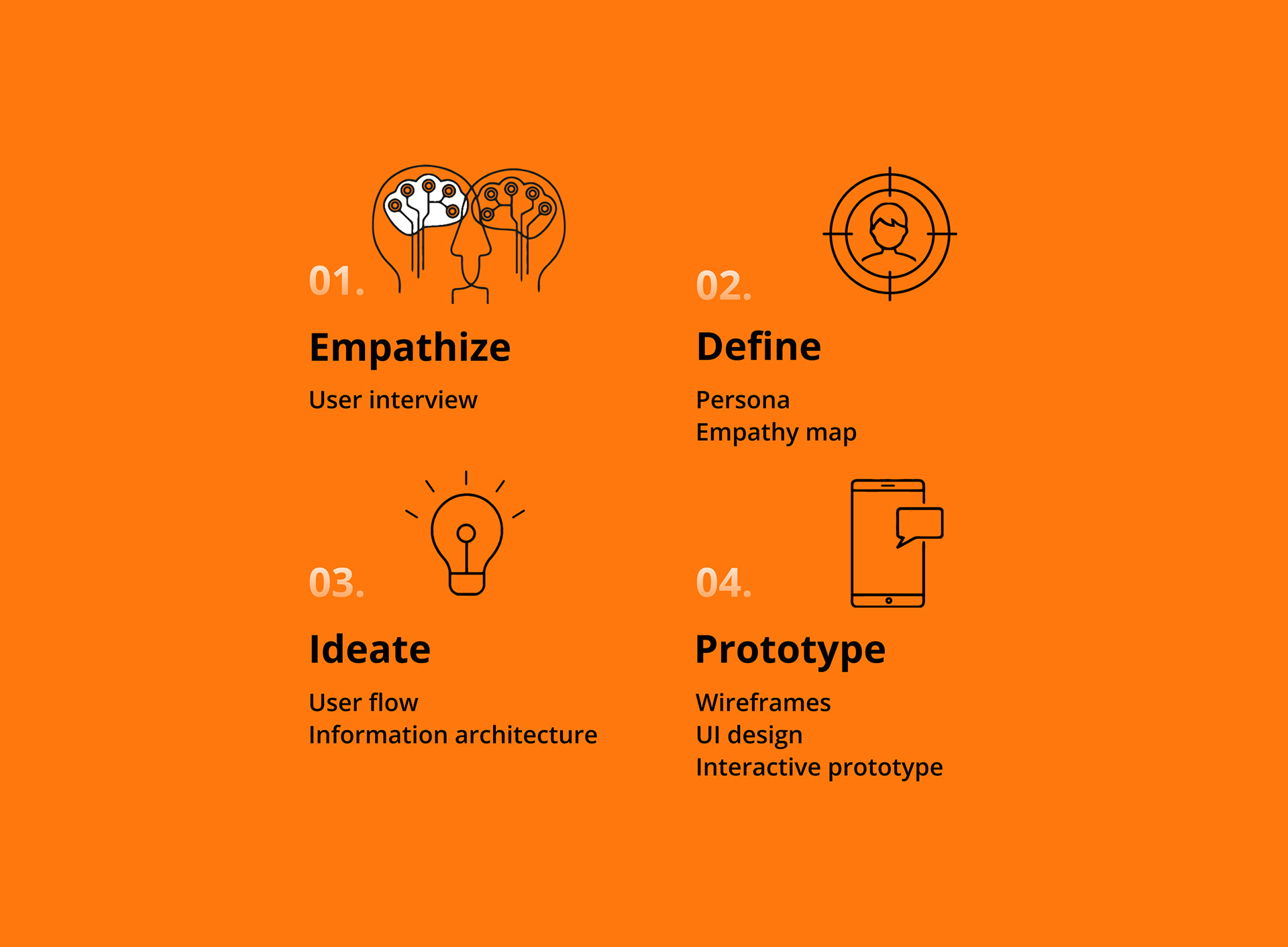
Design process
User Research
To better understand user behavior, I conducted interviews with people who regularly order food online.
The objective was to learn about their ordering habits, frustrations, expectations, and decision-making process. These insights helped identify opportunities for designing a more intuitive and trustworthy ordering experience.
Assumptions
Users prefer familiar restaurants they already trust.
Late delivery is one of the biggest frustrations.
Clear order tracking increases confidence.
A confusing interface discourages users from completing an order.
Promotions and loyalty rewards positively influence customer satisfaction.
Late delivery is one of the biggest frustrations.
Clear order tracking increases confidence.
A confusing interface discourages users from completing an order.
Promotions and loyalty rewards positively influence customer satisfaction.
Research Questions
How often do people order food online?
What influences their restaurant choice?
What frustrates them during the ordering process?
Do they prefer mobile apps or websites?
How do they usually pay?
What influences their restaurant choice?
What frustrates them during the ordering process?
Do they prefer mobile apps or websites?
How do they usually pay?
Key Findings
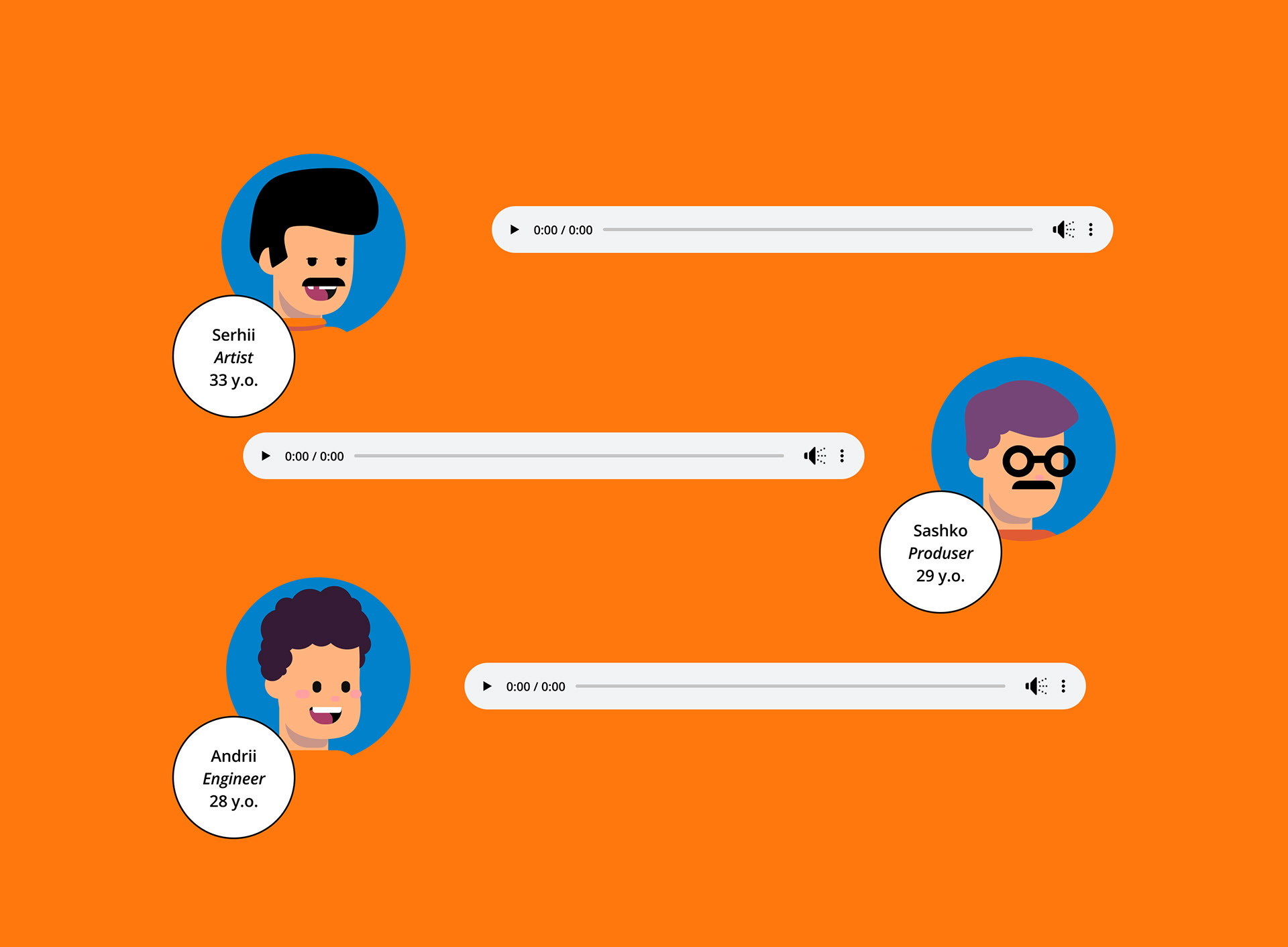
The recordings were made via Zoom and recorded on a voice recorder.
Finding
Users tend to order from restaurants and choose meals they already know and trust, rather than trying something unfamiliar.
Evidence
Andrii: “I usually order pizza from the same places.”
Serhii: “I mostly order from Pizza Hut.”
Serhii: “When I order food, I want to know it will be good. I usually go back to places I’ve already tried.”
Design Implication
The interface should build trust by highlighting popular menu items, customer ratings, and best sellers. Making familiar choices easy to find can reduce decision time and increase users’ confidence when placing an order.
Users tend to order from restaurants and choose meals they already know and trust, rather than trying something unfamiliar.
Evidence
Andrii: “I usually order pizza from the same places.”
Serhii: “I mostly order from Pizza Hut.”
Serhii: “When I order food, I want to know it will be good. I usually go back to places I’ve already tried.”
Design Implication
The interface should build trust by highlighting popular menu items, customer ratings, and best sellers. Making familiar choices easy to find can reduce decision time and increase users’ confidence when placing an order.
Finding
Some users preferred ordering through the website rather than a mobile app, as they found it more familiar and easier to navigate.
Evidence
Sashko: “It’s somehow more convenient to use the website than an application.”
Serhii: “I usually order through the website.”
Design Implication
The ordering experience should be simple and consistent across both desktop and mobile platforms. Since some users prefer the website, the desktop experience should remain a priority, with a clear navigation structure and an easy-to-complete checkout process.
Some users preferred ordering through the website rather than a mobile app, as they found it more familiar and easier to navigate.
Evidence
Sashko: “It’s somehow more convenient to use the website than an application.”
Serhii: “I usually order through the website.”
Design Implication
The ordering experience should be simple and consistent across both desktop and mobile platforms. Since some users prefer the website, the desktop experience should remain a priority, with a clear navigation structure and an easy-to-complete checkout process.
Finding
Users prefer payment methods that feel safe and allow them to confirm their order before paying. There is hesitation around full prepayment due to uncertainty about delivery reliability.
Evidence
Users mentioned concerns about late or incomplete deliveries and often choose familiar restaurants because they trust the process more.
Design Implication
The checkout should reduce perceived risk by making “pay on delivery” clearly available and reassuring users with clear order confirmation and status updates after payment.
Users prefer payment methods that feel safe and allow them to confirm their order before paying. There is hesitation around full prepayment due to uncertainty about delivery reliability.
Evidence
Users mentioned concerns about late or incomplete deliveries and often choose familiar restaurants because they trust the process more.
Design Implication
The checkout should reduce perceived risk by making “pay on delivery” clearly available and reassuring users with clear order confirmation and status updates after payment.
Persona

Works in advertising production and often orders food during busy workdays or when he doesn’t have time to cook.
He orders food 1–2 times a week, usually with colleagues or when his fridge is empty.
Prefers familiar restaurants he trusts and rarely tries new places.
Uses desktop websites more often than mobile apps, as he finds them clearer and easier to navigate.
Usually pays on delivery and values reliability, fast service, and consistent food quality.
Think & feel
Wants to avoid risk when ordering food. Believes that familiar restaurants are more reliable and reduce the chance of disappointment.
Wants to avoid risk when ordering food. Believes that familiar restaurants are more reliable and reduce the chance of disappointment.
See
Sees frequent promotions and food delivery ads, but tends to ignore unfamiliar restaurants unless recommended by others.
Sees frequent promotions and food delivery ads, but tends to ignore unfamiliar restaurants unless recommended by others.
Hear
Friends and colleagues often recommend specific restaurants or chains they trust.
Friends and colleagues often recommend specific restaurants or chains they trust.
Say & do
Usually orders from the same restaurants. Chooses convenience over exploration and rarely experiments with new options.
Usually orders from the same restaurants. Chooses convenience over exploration and rarely experiments with new options.
Pain Points
Uncertainty about delivery reliability and food quality. Frustration with complicated ordering flows or unclear information.
Uncertainty about delivery reliability and food quality. Frustration with complicated ordering flows or unclear information.
Gains
Feels confident when ordering from trusted brands. Values simplicity, speed, and a predictable experience.
Feels confident when ordering from trusted brands. Values simplicity, speed, and a predictable experience.

Based on the research, I identified four design principles that guided the project:
* Build trust through transparency.
* Reduce friction during ordering.
* Make order status easy to understand.
* Reward customer loyalty.
* Build trust through transparency.
* Reduce friction during ordering.
* Make order status easy to understand.
* Reward customer loyalty.
User flow
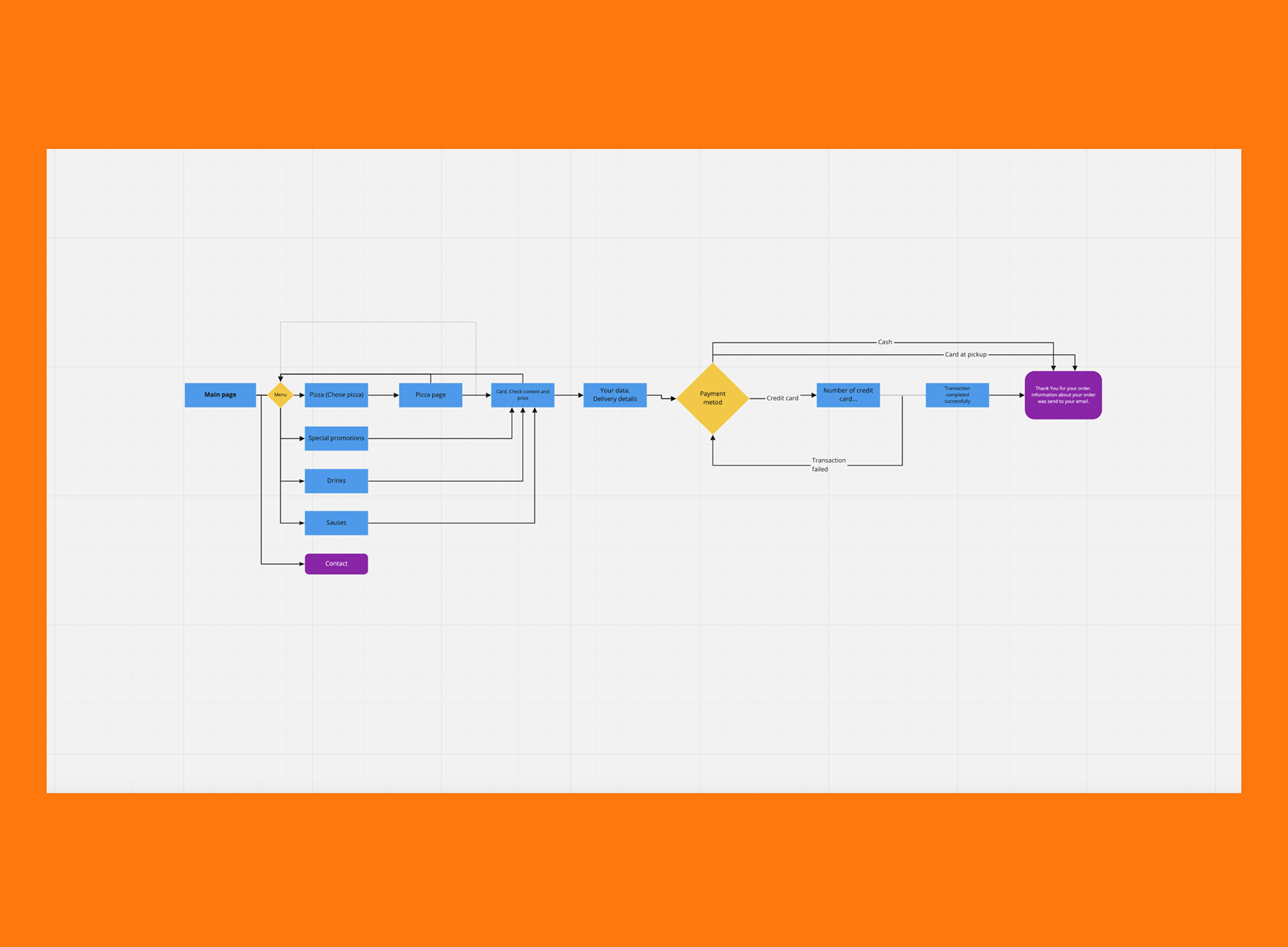
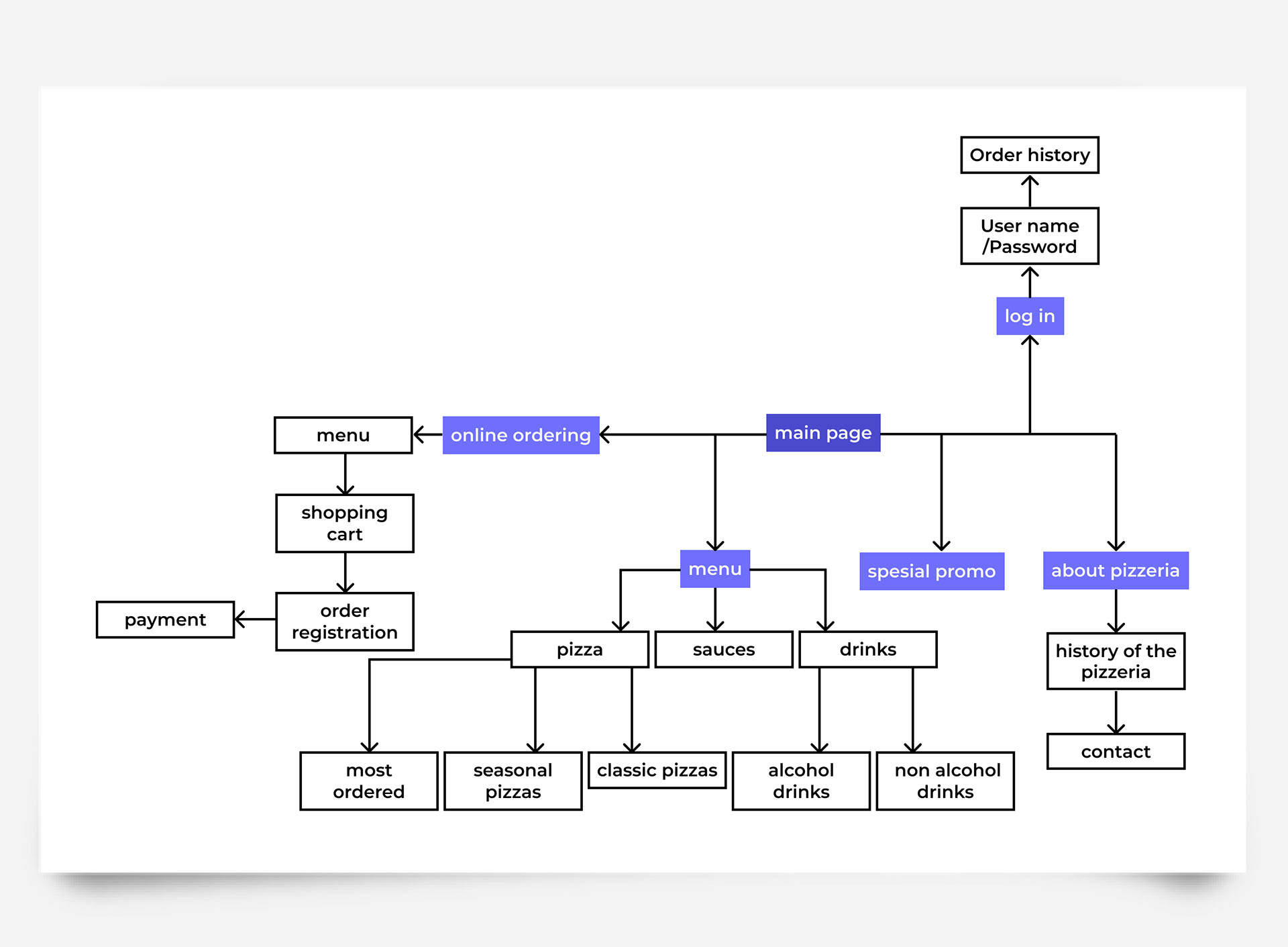
Information Architecture